Elbe Cycle Path for Beginners — What You Need to Know
Complete guide to the flattest, most accessible section of the Elbe route. We cover distance options, where to rest, and why it's perfect for cycling beginners.
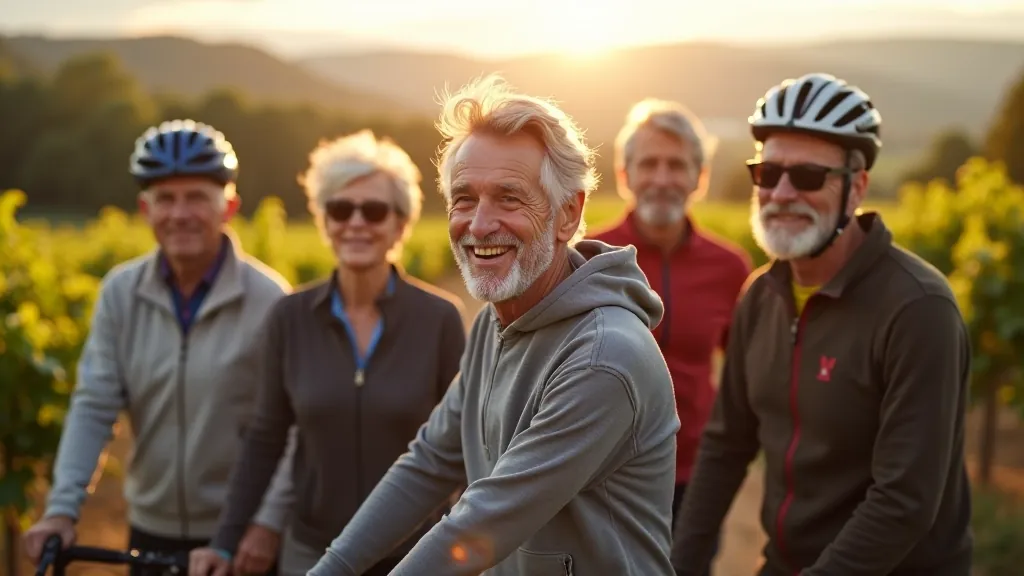
Explore rolling vineyards on two wheels. We'll show you the best wine-themed cycling routes in Moravia, where to stop for tastings, and how to find organized group rides in the region.
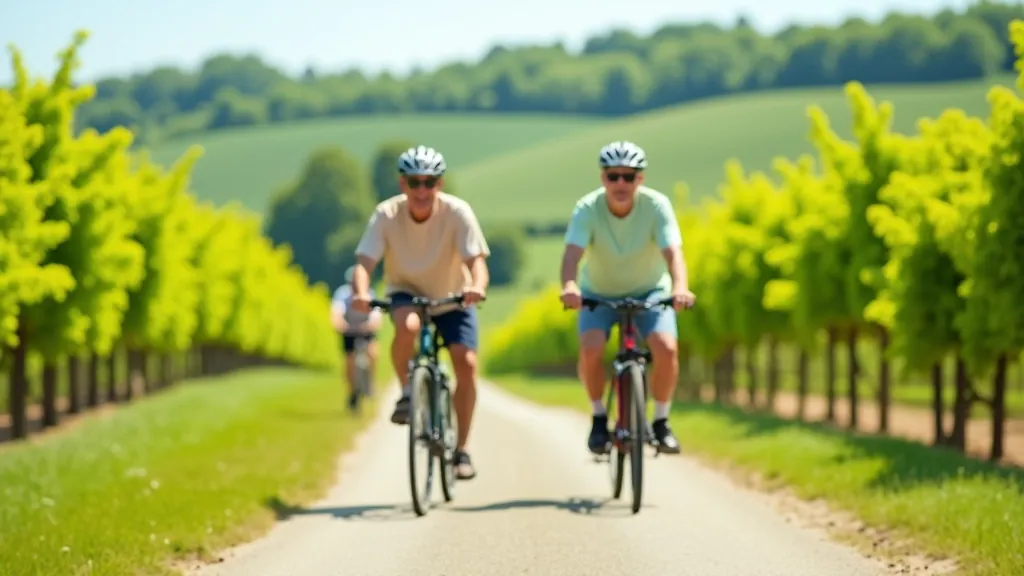
Moravian wine trails aren't just scenic — they're genuinely manageable for cyclists of all abilities. The terrain rolls gently between vineyards, with plenty of spots to stop and catch your breath. Most routes stay between 40-70 kilometers, which means you're not spending all day in the saddle.
The wine country around Valtice, Mikulov, and Znojmo has been cycling-friendly for years. You'll find marked trails, decent road surfaces, and villages spaced perfectly for breaks. Plus, there's an actual reason to stop — tastings, local restaurants, and vineyard visits that make the whole experience feel less like exercise and more like an adventure.
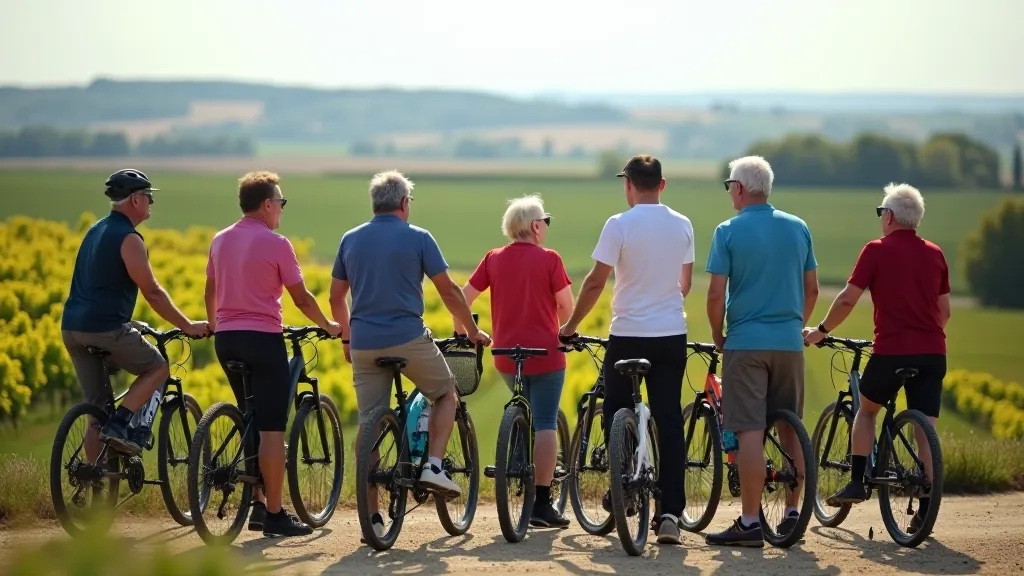
We've ridden these trails with groups ranging from absolute beginners to experienced cyclists. Everyone gets something different from it. Some people love the wine stops. Others are here for the landscape and the company. That's the beauty of group riding in wine country — you set your own pace.
The Valtice loop is the gateway route for wine trail cycling. It's about 52 kilometers, and it doesn't feel rushed. You're cycling through actual vineyard landscape — the views genuinely change every few kilometers.
Start early from Valtice town center. The first 15 kilometers head toward Lednice, passing through wine villages like Přítluky and Rakvice. Terrain here is gentle rolling — nothing steep. You'll see châteaux, vineyards on both sides, and locals who've been working these plots for generations.
Around kilometer 25, most groups stop at a winery for a light tasting. This is where people take photos, chat with owners, and recharge. Don't skip this — it's part of the experience, not a detour. The final stretch loops back through Valtice's outskirts, which is actually the prettiest section with vineyard views constantly in frame.
Pacing tip: Aim for 16-18 km/h average speed if you're including wine stops. This gives you 3.5-4 hours of actual riding, plus breaks.
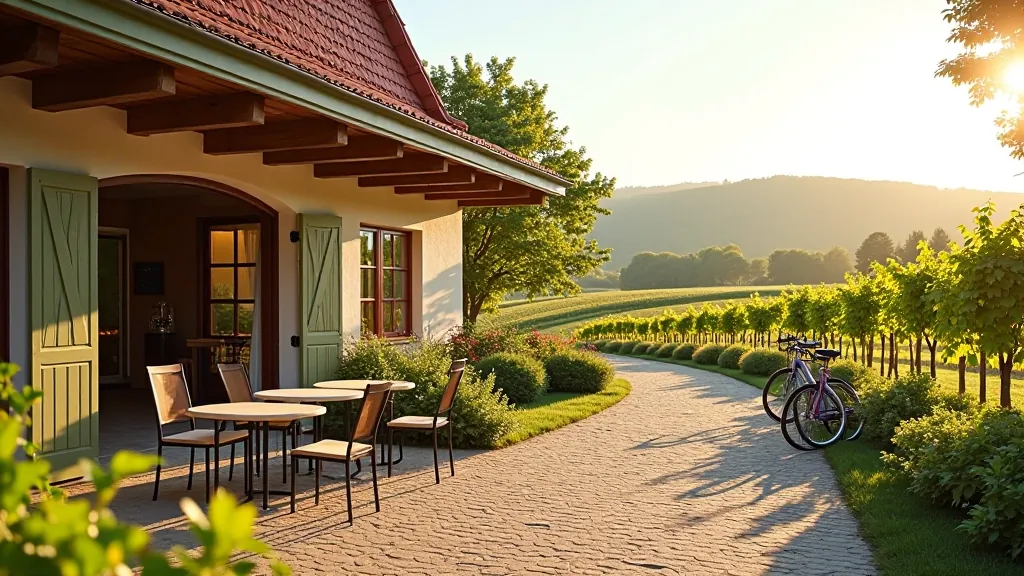
Winery visits make wine trail cycling special, but you've got to be strategic. Don't plan more than two stops per ride. Seriously. You'll think you want to visit five places, but after 40 kilometers of pedaling, your legs aren't interested in a third tasting.
Call ahead. Most smaller wineries near the routes don't have formal "tasting hours" — they work by appointment or informal drop-in. A quick call ensures they're not closed for lunch or a private event. Groups of 8-12 people are ideal. Larger groups sometimes feel like tours, and that changes the vibe.
Plan stops for the middle or late part of your ride. You're more tired, you appreciate sitting down, and you're genuinely ready for a break. It's better to ride 20 kilometers, stop for an hour at a quality winery, then finish the last 30 km. Not the other way around.
Pro tip: Many wineries offer simple snacks — bread, cheese, olives. These pair perfectly with wine and refuel you for the final stretch. Ask what's available when you call.
Wine trail cycling is genuinely enjoyable, but it's worth saying plainly: tasting wine and cycling requires judgment. Most group rides recommend light tastings only — a few sips, not glasses. You're on public roads with traffic, and you need to be alert. If you've had a proper drink, ride slower, stay on the quietest roads, or ride with a sober cycling partner. This isn't about judgment — it's about safety for you and others on the road. Different countries have different rules about riding under the influence, so know your local laws.
You don't have to organize everything yourself. There's a solid community of cycling groups running regular wine trail rides in Moravia. They handle route planning, navigation, and group pacing — you just show up.
Start by checking with local cycling clubs in Brno and the wine region towns. Kluby cyklistů (cycling clubs) run organized tours throughout the season, usually on weekends. Most advertise on Facebook or have simple websites. Look for groups that list their pace — something like "relaxed pace, 15-18 km/h average" tells you it's not a race.
Another option is specialized cycling tour operators. Companies based in Brno and Mikulov run small-group wine trail rides for 8-15 people. They're slightly more expensive than club rides, but you get route expertise, winery connections, and usually someone who knows the history of the region. This matters more than you'd think — having someone explain why a vineyard faces south or what makes this particular village historically significant makes the whole ride richer.
Finding rides online: Search "cyklistické skupiny Moravský Knínice" or "wine trail bike tours Moravia" for current groups. Local tourism boards in Valtice and Mikulov also maintain lists of organized rides.
Two water bottles minimum, even for shorter routes. The wine regions have villages with cafés, but you can't rely on them being open exactly when you need them. Energy bars, fruit, or nuts are essential — don't depend on winery snacks being substantial.
Spare inner tube, tire levers, pump, and basic tools. You're on quiet roads through villages — getting a flat isn't a crisis, but you need to fix it yourself. Most organized groups include someone with repair skills, but don't count on it.
Print route maps or load them on your phone. Cell coverage is good in towns but spotty in vineyard areas. A basic GPS device or offline map app on your phone prevents wrong turns on rural roads.
Sunscreen, sunglasses, and a light rain jacket. May through September weather in Moravia is unpredictable — sunny one hour, brief rain the next. Nothing derails a wine ride like sunburn or being caught in rain without a jacket.
Moravian wine trail cycling appeals to people for different reasons. Some genuinely love wine and want a novel way to experience vineyards. Others just want a scenic 50-kilometer ride with friends. Some folks are training for longer cycling events and use wine routes as social training rides. None of these reasons is "right" — they all work.
What matters is that these routes exist, they're accessible, and they're genuinely fun. The terrain is manageable, the scenery keeps you engaged, and the stops break up the physical effort. You're not racing. You're not trying to prove anything. You're cycling through a region that people have cared for for centuries, and you're doing it at a pace that lets you actually enjoy it.
Start with the Valtice loop or join an organized group ride. Both approaches work. You'll figure out what pace suits you, whether winery stops are your thing, and whether wine trail cycling becomes a regular thing or a special occasion. Either way, you've got solid routes, good company available, and a genuinely beautiful landscape to ride through. That's more than enough.