Elbe Cycle Path for Beginners — What You Need to Know
Complete guide to the flattest, most accessible section of the Elbe route. We cover distances, difficulty levels, and essential tips for your first ride.
Not sure if an e-bike is right for you? We break down how pedal-assist works, what to expect from battery range, and why more seniors are choosing this option for longer rides.
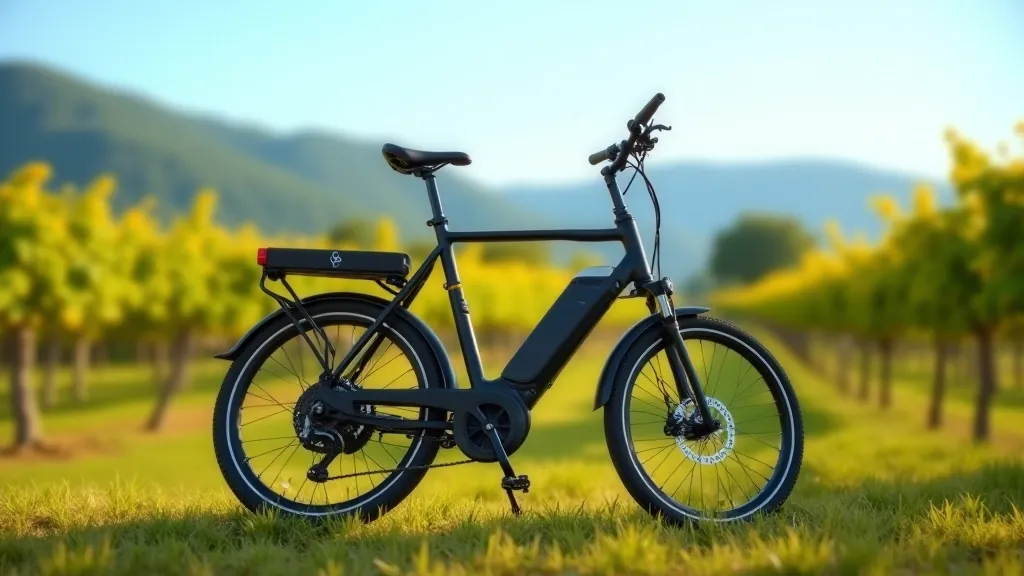
E-bikes aren't motorcycles. They're bicycles with a smart electric motor that kicks in when you're pedaling. It's the difference between feeling like you're pushing a heavy bike uphill and feeling like someone's gently helping you along.
The motor detects your pedaling motion through a sensor and provides power proportional to your effort. You're still doing the work — you're just doing less of it. That's the whole appeal for retirees. You'll get the exercise and fresh air without destroying your knees or burning out halfway through a 50-kilometer route.
Battery range depends on several factors. The motor doesn't drain power at a constant rate. You'll get different mileage depending on the assistance level you're using, terrain, and how hard you're pedaling.
A typical e-bike with a 500Wh battery gets around 40–80 kilometers on a single charge in standard mode. On eco mode? You might stretch that to 100+ kilometers. Headwind, steep hills, and starting from a dead stop use more power. Flat terrain and steady pedaling are your friends.
Most e-bikes fully charge in 4–6 hours. You don't need a special outlet — standard household electricity works fine. Batteries last 3–5 years before needing replacement, and replacement costs run around 300–500 euros depending on capacity.
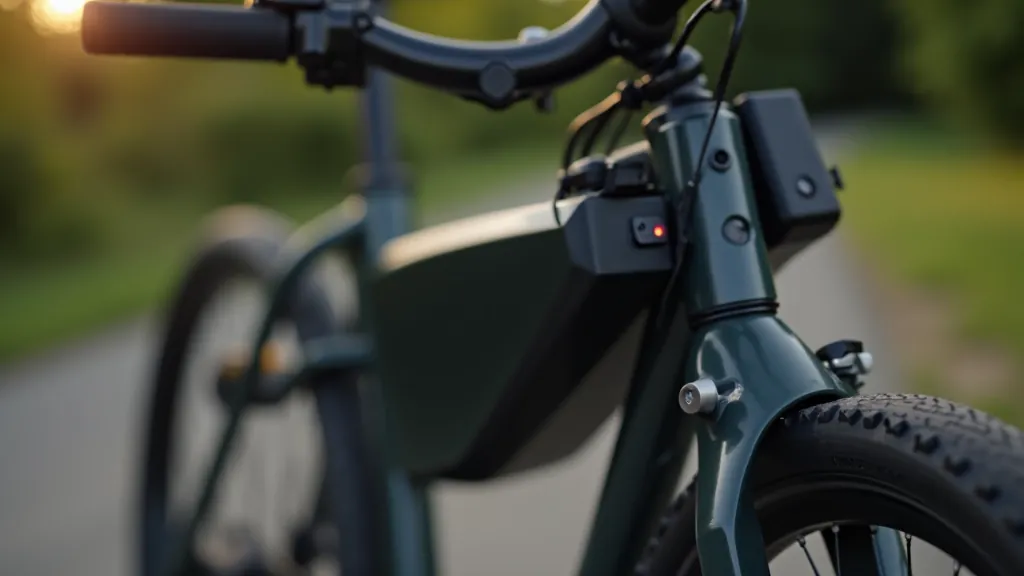
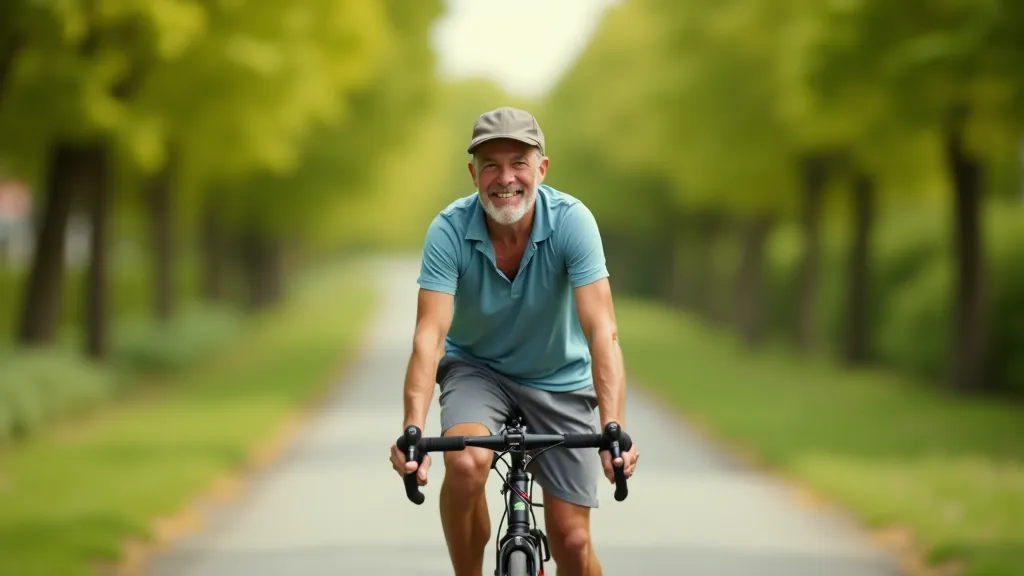
We hear it all the time. People stop cycling because traditional bikes get too tiring. Knees hurt, legs feel heavy, and a 30-kilometer ride that used to be enjoyable becomes a grind. E-bikes fix this without being cheating.
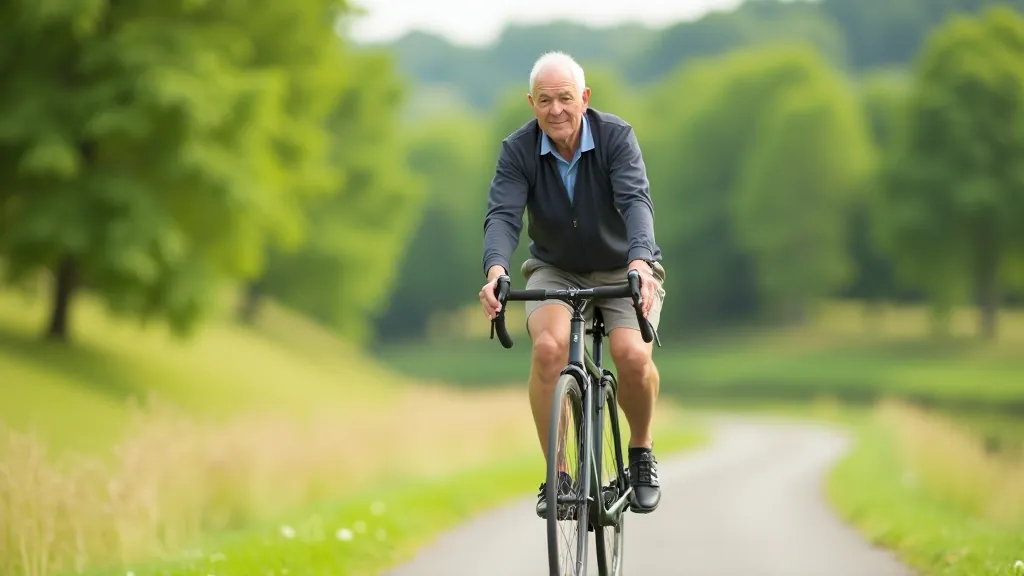
You're still pedaling. You're still getting cardiovascular exercise. You're still building leg strength. The motor just takes the strain off your joints. Most people who switch to e-bikes end up riding more often and going farther than they did with traditional bikes — which means more time outdoors, better fitness, and better mood.
Safety improves too. You've got better acceleration to merge with traffic, more control on descents, and the confidence to tackle longer routes without worrying you'll get stranded 25 kilometers from home.
This article is educational information about e-bike technology and pedal-assist systems. It's not personal advice. Before purchasing an e-bike, we recommend consulting with cycling specialists about which model fits your specific needs, physical condition, and local regulations. E-bike laws vary by region — some areas restrict motor power or where you can ride. Always check local guidelines and consider a test ride before committing to a purchase.
Making the transition to e-bikes doesn't require special skills, but a few pointers help you get the most out of your investment.
You don't need sport mode for casual rides. Eco stretches your battery and lets you feel your own power. Switch to standard or sport only when you hit hills.
Batteries last longer if you keep them between 20–80% charge. Charging to 100% and draining to zero stresses the battery. A quick top-up every couple of rides is better than one weekly charge.
E-bikes have maximum weight capacities (usually 120–140 kg). Exceeding this affects motor performance and frame durability. Verify the spec before buying.
Motor maintenance is minimal, but brakes wear faster on heavier e-bikes. Inspect brake pads every 1,000 kilometers. Keep the chain clean and lubricated.
E-bikes are more expensive and more targeted by thieves. Use a sturdy U-lock and chain. Don't leave the battery exposed. Park in visible, busy areas.
On longer rides, know where you can rest and potentially charge. Coffee stops and tourist attractions often have outlets. It's not required, but it's peace of mind.
E-bikes come in several styles. Each has different strengths for different riding situations.
Upright seating, wider tires, front suspension. Perfect for casual rides on flat terrain and paved paths. This is what most seniors choose for the Elbe cycle path.
Hybrid geometry between road and mountain bikes. Good for mixed terrain, gravel roads, and moderate hills. Popular for longer weekend rides.
Drop bars, thin tires, lightweight frames. Fast on paved surfaces but less comfortable for long hours. Better for fit, athletic riders.
Extra frame for carrying loads or passengers. Heavy-duty motors (250W–750W). Useful if you're carrying groceries or helping grandkids.

E-bikes aren't a shortcut or cheating. They're a way to keep cycling as a regular part of your life — longer routes, more frequently, and with less joint strain. If you've thought about cycling but dismissed it because traditional bikes felt too demanding, an e-bike might be exactly what you need.
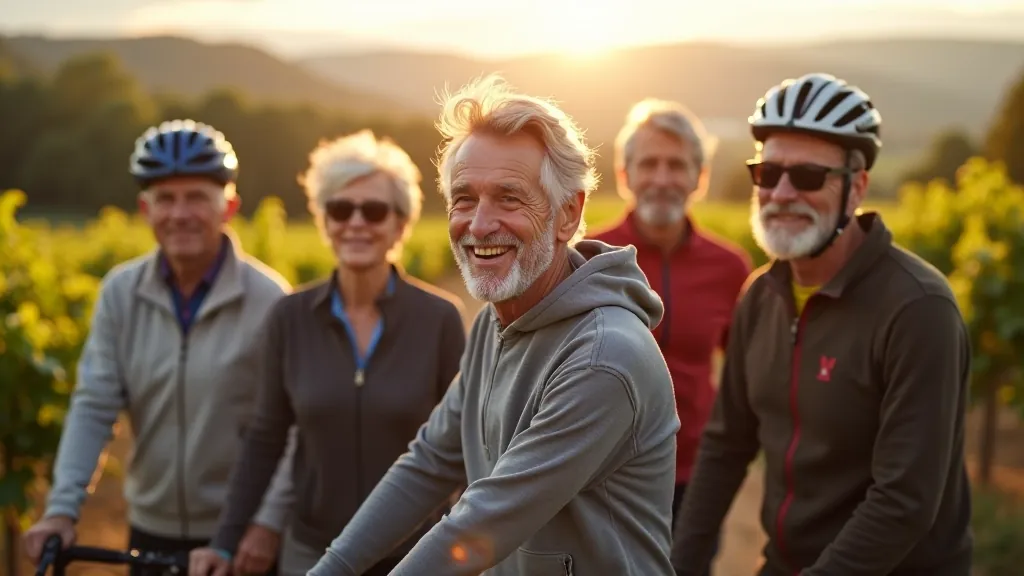
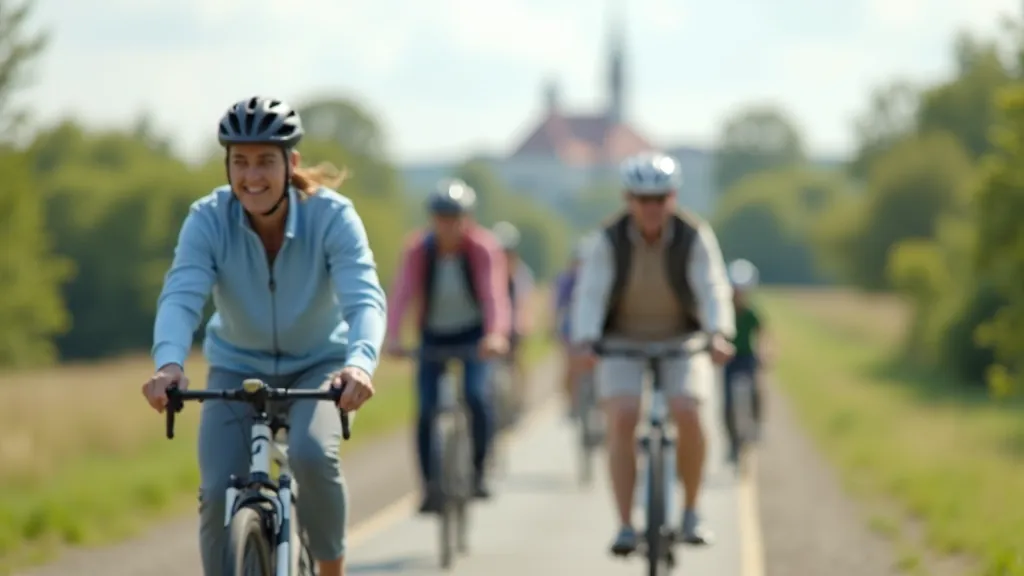
The Elbe cycle path, Moravian wine trails, and group rides near Brno all become more accessible with pedal-assist technology. You'll enjoy the fresh air, the scenery, and the community — without the exhaustion that used to end your cycling days.