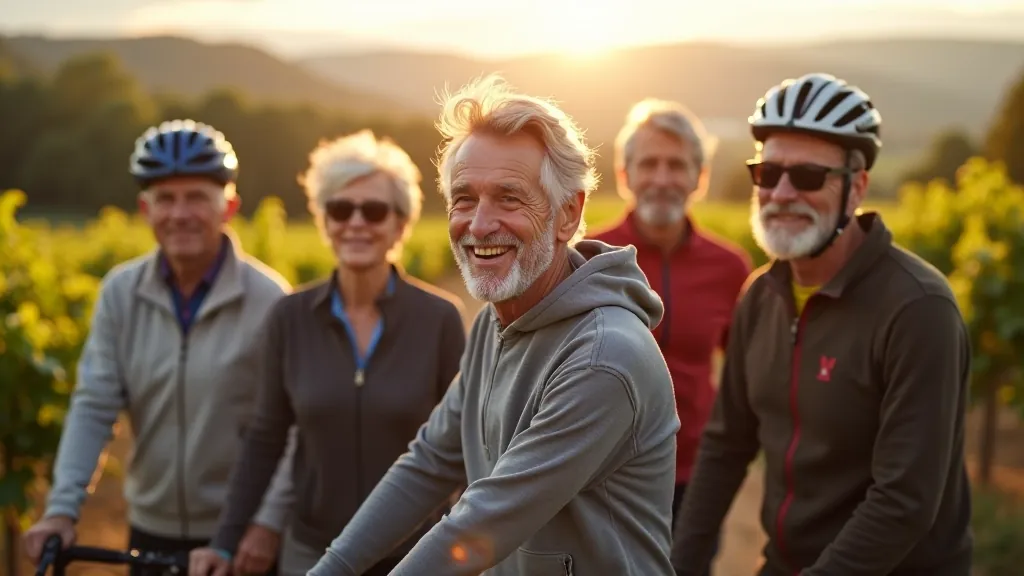
E-Bikes for Retirees — Pedal-Assist Technology Explained
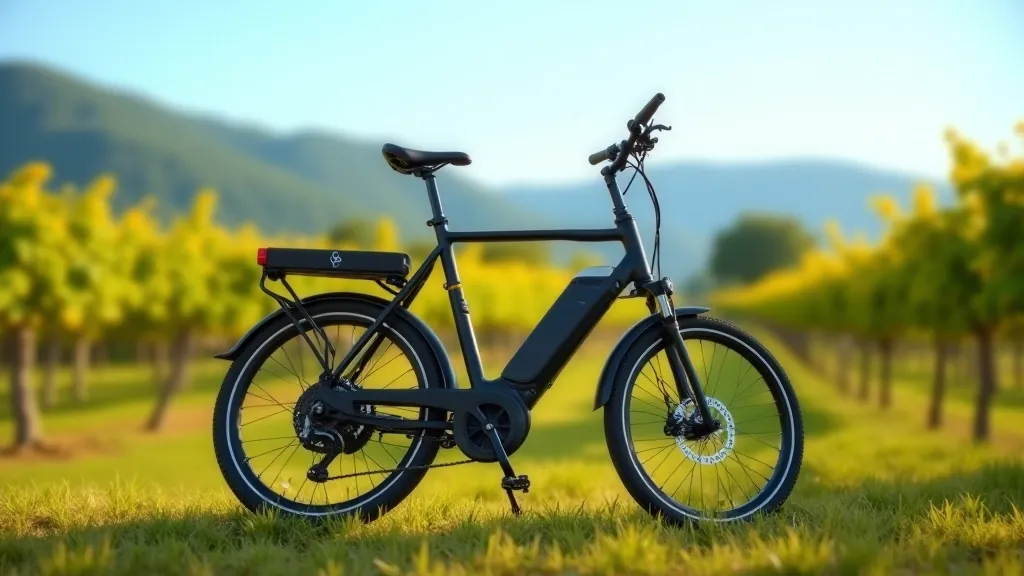
Not sure if an e-bike is right for you? We break down how pedal-assist works, why it's different from electric scooters, and whether the investment makes sense for longer routes.
Read Article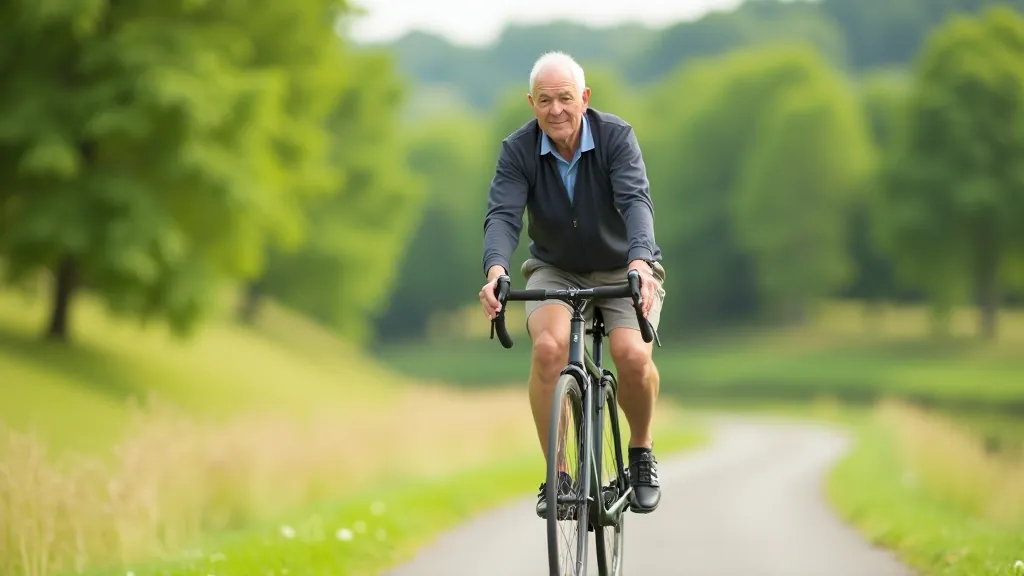
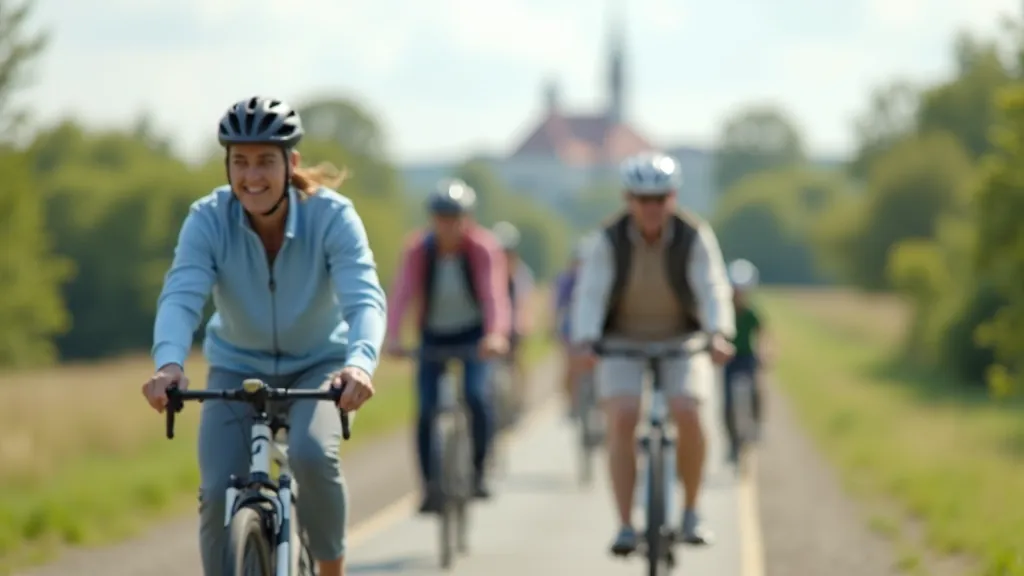
Complete guide to the flattest, most accessible section of the Elbe route. We cover distance, difficulty, rest stops, and why it's perfect for seniors just starting out.
Not all cycling routes are created equal. If you're thinking about getting back on a bike after years away — or discovering cycling for the first time — you need a path that won't leave you exhausted or discouraged. The Elbe cycle path does exactly that. It's genuinely flat, incredibly well-maintained, and designed with comfort in mind.
The thing that makes the Elbe special? You're not fighting gravity. Unlike many popular cycling routes across Czech Republic that climb into wine country or challenge your legs with rolling hills, the Elbe runs alongside the river for most of its length. The water level doesn't change much, so neither does your elevation. It's straightforward cycling at its best.
We've helped dozens of cyclists — mostly in their 60s and 70s — discover that they can actually enjoy a full day of riding. The route works because it's honest about what it offers: steady progress, beautiful scenery, and plenty of spots to rest when you need them.
Here's the honest truth: your first ride doesn't need to be impressive. It needs to be enjoyable. We recommend starting with 10–15 kilometers. That's roughly 1.5 to 2 hours of actual riding, with breaks included. You'll finish feeling good, not destroyed.
Why this distance? It's long enough to feel like a real accomplishment. You'll see different landscapes, stop at a couple of rest spots, maybe grab lunch somewhere. But it won't leave your legs aching for three days afterward. After one or two rides at this distance, you'll naturally want to push further.
Most of our participants increase to 25 kilometers by their third or fourth outing. Some go further — 35 or 40 kilometers is totally doable on the Elbe if you take your time. The path lets you decide. There's no "finish line" pressure.
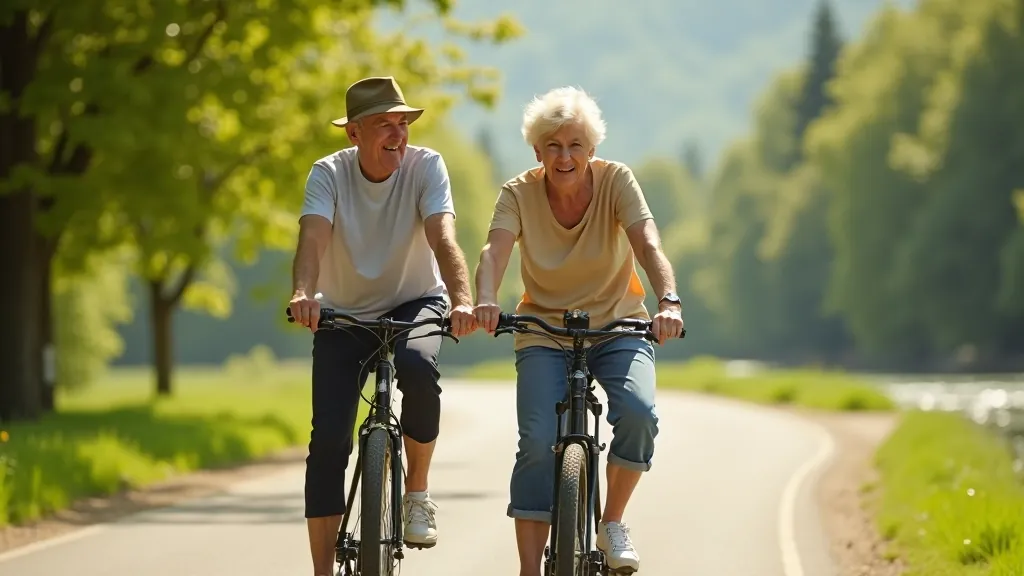
The Elbe path isn't boring — it's consistent. You won't hit unexpected climbs or sudden technical sections. What you get is rhythm. After the first few kilometers, your legs settle into a comfortable pace. Your breathing becomes regular. You start actually noticing the river on your left, the forests on your right, the way the light hits the water.
The surface is completely paved. You're not dealing with gravel, mud, or loose stones. This matters more than it sounds. A smooth surface means less vibration through your wrists and shoulders. It's easier on your knees. Your bike handles predictably every single kilometer.
You'll pass through small towns — places like Decín, Teplice, and Meissen if you're on the German section. Between towns, it's just you and the path. Villages pop up roughly every 5–8 kilometers. Each one has a café, a water fountain, or a place to sit down. This is intentional design.
You don't need much. But the few things you do need matter. Here's what our most experienced beginners bring:
Bring 1.5 liters minimum. You're working harder than walking, but the river breeze makes it easy to forget you're sweating. Dehydration sneaks up. There's water available in towns, but don't rely on it completely.
Your rear end will thank you. Even smooth paths cause soreness if you're not used to it. A gel seat pad costs €20 and solves this problem completely. It's the single best investment for beginners.
The river reflects sunlight. You'll burn faster than you expect, especially on your arms and legs. SPF 30 minimum. Sunglasses aren't optional — they protect your eyes and reduce glare.
Pump, spare tube, tire levers. A flat tire on kilometer 12 doesn't have to end your ride. You're never far from a town, but having tools means you can handle it yourself.
Regular shorts pinch. Cycling-specific gear has padding and doesn't ride up. You don't need expensive stuff — €40 shorts make the entire experience better.
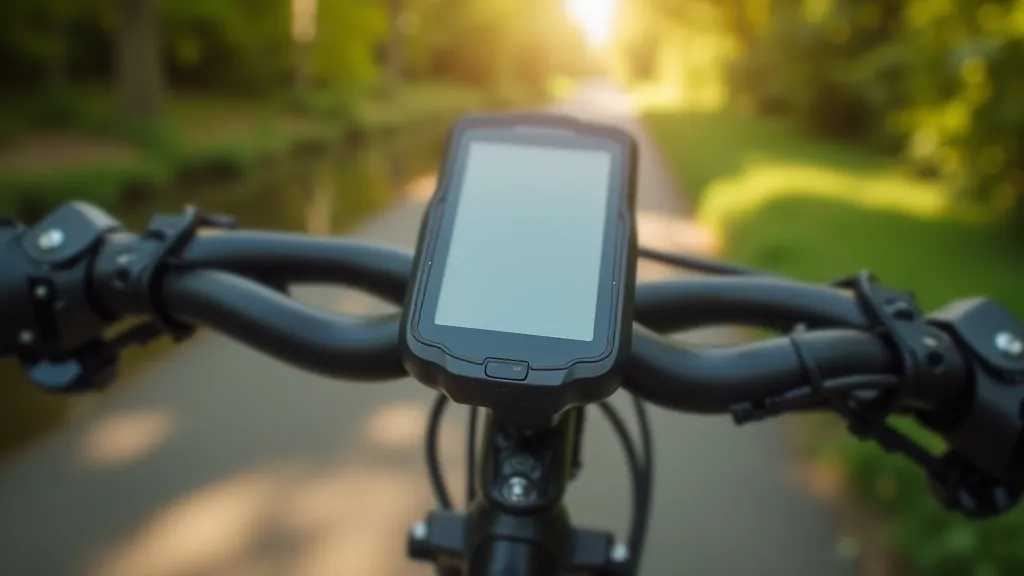
The path is well-marked, but a GPS app removes all doubt. Download the route offline before you go. It's not about getting lost — it's about knowing exactly where you are.
This guide is educational and informational. While the Elbe cycle path is genuinely beginner-friendly, cycling is a physical activity. If you have existing health conditions, joint issues, or haven't exercised regularly in years, consult your doctor before starting. Everyone's fitness level is different. The distances and timeframes mentioned here are estimates based on typical beginner experiences — your experience may vary. Wear a helmet. Check your bike's condition before riding. Weather conditions change — check forecasts and adjust your plans accordingly.

The Elbe cycle path is forgiving. It doesn't judge your speed or distance. It just offers a smooth surface, beautiful surroundings, and the simple pleasure of moving under your own power. That's what makes it ideal for beginners.
Start with 10 kilometers if that feels right. Bring water, protect your skin, and take breaks when you need them. You'll finish your first ride feeling accomplished — not destroyed. And you'll already be thinking about when you can go again.
Cycling at any age is about consistency, not heroics. The Elbe teaches you that lesson on day one.